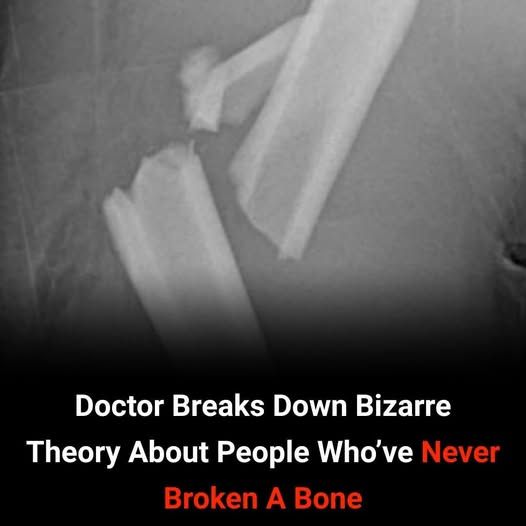
Some people believe that never breaking a bone is a sign of divine protection or good karma. While that might sound reassuring, doctors suggest the real explanation lies in genetics, lifestyle, and overall health.
Dr. Suhail Hussain and experts from the Royal Osteoporosis Society explain that bone strength is largely inherited. Your genetic makeup influences key factors like bone density, calcium absorption, and structure. If a parent has experienced fractures, especially something like a hip break, you may be at a higher risk as well. Bone strength naturally declines with age, particularly after 30 or around menopause for women.
Your lifestyle plays a major role too. Habits like poor nutrition, smoking, lack of exercise, and excessive alcohol consumption can all weaken bones. On the flip side, maintaining a balanced diet rich in calcium and vitamin D, alongside regular physical activity like walking or weightlifting, can significantly help in building and maintaining strong bones.

If you’re worried about your bone health, a bone density (DEXA) scan is a quick and painless way to get an accurate assessment. The key to strong bones isn’t relying on luck or spiritual protection — it’s being proactive with a healthy diet and regular exercise. Taking these steps is your best defense for maintaining strong, resilient bones.