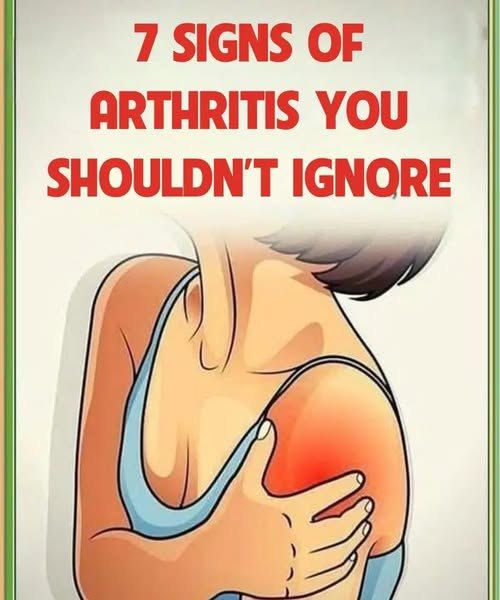
Living with arthritis means you’ve likely become familiar with your body’s signals, knowing when to push through the discomfort and when it’s time to seek medical attention. But what happens when new, unexpected symptoms start to appear—like shortness of breath, unexplained bruising, or sudden weight loss? These may seem like minor issues, but they could actually be warning signs of something more serious. Here are 7 symptoms you should never ignore—and when it’s time to call your doctor.
1. Joint Pain
Early arthritis symptoms often start as pain in one or more joints, which gradually worsens over time. This pain might flare up during physical activity, or it could be most noticeable at the beginning or end of the day.
For those with rheumatoid arthritis, the experience can be a little different. Dr. Lee explains that many early RA patients describe their pain as “vague” or “mild” at first, almost like a dimmer switch that slowly flicks on. But once it fully activates, the pain can become intense and unbearable, often leaving sufferers feeling as though they’ve “chipped or broken a bone.”

2. Joint Swelling and Tenderness
If your joints start to swell, feel warm to the touch, or appear noticeably puffed up, it’s a sign that something isn’t right. The affected area may also feel tender—painful to the touch, especially when pressed. This symptom is common in many forms of arthritis, but it’s particularly a red flag for rheumatoid arthritis. If you notice this swelling, don’t wait too long to consult your doctor.
3. Joint Stiffness, Especially in the Morning
Stiffness is one of the hallmark signs of arthritis,” says Dr. Deborah Lee. “It’s usually worse first thing in the morning but should ease up within 30 minutes of moving around.” If you find yourself feeling stiff when you first wake up or after sitting for a long time, it could be one of the first signs of arthritis. For osteoarthritis, this stiffness tends to disappear fairly quickly—within about half an hour. However, in cases of rheumatoid arthritis, the stiffness can linger for much longer.

4. Grinding or Cracking Sounds When You Move
If you notice a strange grinding or cracking sound when moving your joints, it’s a sign that something may be wrong. This phenomenon, known as crepitus, occurs when the cartilage in your joints has worn down. As a result, the bones rub together, creating those unpleasant sounds. While it’s common with aging, persistent or painful crepitus could indicate arthritis.
5. Reduced Range of Motion
Arthritis can make it difficult to fully bend or stretch the affected joints. If you find that you can’t move your joints as freely as before, it may be due to damaged cartilage, inflammation, or stiffness. This reduced range of motion is a common issue in people with arthritis and should be monitored closely.

6. Referred Pain
Arthritis pain doesn’t always stay where it starts. It can radiate to nearby areas, making it harder to pinpoint the exact source. For example, arthritis in the hip might cause pain to be felt in the buttocks, groin, thigh, or even the knee. Similarly, foot arthritis can affect the hips, glutes, and lower back. Lower back pain from arthritis might even extend to the knees. If you’re experiencing pain in unexpected places, it could be related to arthritis in a nearby joint.
7. Fatigue
If you’re feeling unusually tired, it could be an early sign of inflammatory arthritis. When your immune system is overactive, as it is in conditions like rheumatoid arthritis, it can lead to a constant feeling of exhaustion. Arthritis pain can also contribute to fatigue, as it may interfere with your sleep and make physical activity more difficult, leaving you drained.

What Should You Do If You Have Arthritis?
Early diagnosis is key when it comes to managing arthritis. Catching it early can help slow its progression and give you the tools to better control the condition. While there is no cure for arthritis, a combination of strategies can significantly relieve symptoms and improve your quality of life. Regular exercise, prescribed medications, and alternative therapies are all effective ways to manage arthritis.
For those with osteoarthritis, topical treatments like FlexiSEQ—a drug-free gel designed to lubricate the cartilage in your joints—can ease pain, reduce stiffness, and improve joint function at all stages of the condition. With the right approach, you can live comfortably and stay active.