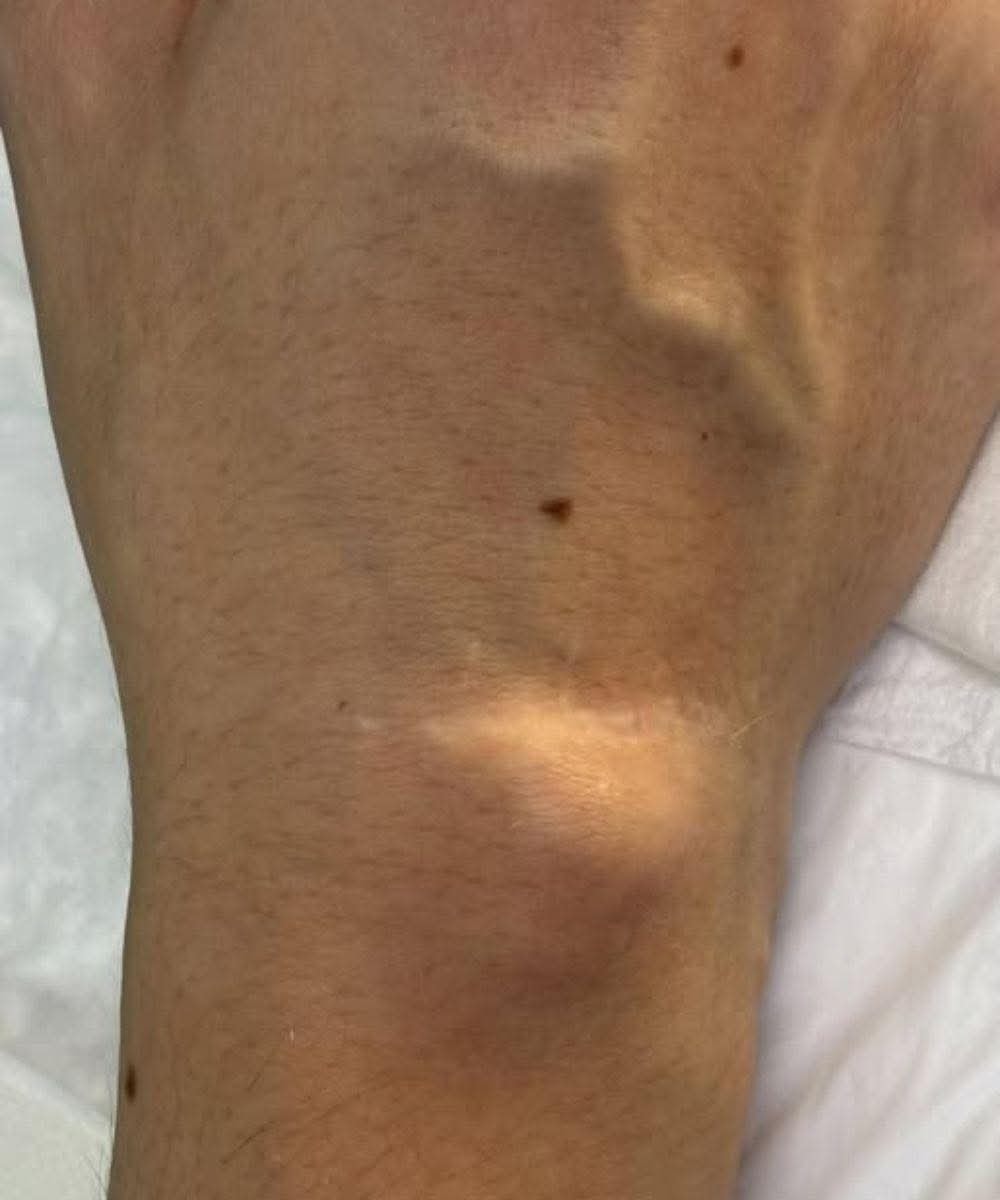
It started as a tiny bump—barely noticeable—just above the wrist. No pain, no redness, nothing to worry about… or so it seemed. Weeks passed, and the lump slowly grew. It didn’t hurt, but it was hard not to notice it every time the hand moved. That’s when the worry began: What if it’s something serious?
Many of us have been in this situation—finding a lump near a joint and wondering if it’s harmless or something to be concerned about. And while most of these lumps are not dangerous, some might need medical attention sooner than you think.
Let’s talk about it—because knowing the difference could make all the difference.
Common Lumps That Usually Aren’t Dangerous
In most cases, a lump near a joint turns out to be something benign (non-cancerous). These are quite common and often painless.
One example is a ganglion cyst—a small, fluid-filled bump that shows up near joints like the wrist or ankle. They might look a little odd, but they’re not usually harmful. Some even go away on their own.
Then there are lipomas, which are soft lumps made of fat that grow slowly under the skin. They feel squishy and move a bit when you press them. Again, not dangerous—just a little annoying sometimes.
Bursitis is another condition that can cause swelling near joints. It happens when the small fluid sacs that cushion your joints (called bursae) become inflamed. It can be tender or sore but is usually treatable with rest or medication.
People with rheumatoid arthritis may notice rheumatoid nodules—firm lumps near affected joints. These too are non-cancerous but should be checked by a doctor to manage the underlying condition.
So yes—most joint lumps are nothing to panic about. But there are certain signs you should never ignore.
When It Might Be Something More Serious
Sometimes, a lump isn’t just a lump. There are rare but serious conditions like bone cancer or soft tissue sarcomas that can begin this way. While these cases are uncommon, it’s important to recognize the red flags:
- A lump that grows quickly
- Pain that gets worse over time, especially at night or during rest
- A lump that feels hard and doesn’t move under the skin
- Changes in the skin above it, like redness, stretching, or sores
- General health changes like unexplained weight loss or feeling tired all the time
Bone cancers like osteosarcoma or Ewing sarcoma often show up in young people but can affect anyone. They cause deep pain in the bones, swelling, and even fractures without any injury.
Soft tissue sarcomas can also appear near joints and muscles. They tend to grow silently, without pain at first, which is why people sometimes wait too long to get them checked.
What Should You Do If You Notice a Lump?
If you or someone in your family finds a lump near a joint, the best first step is to see a doctor. It might just be a harmless cyst, but getting it examined gives you peace of mind—and a plan, if needed.
Doctors may suggest tests like X-rays, MRIs, or CT scans to understand the lump better. If there’s any doubt, a biopsy (a small sample of tissue) can confirm what it is.
The good news? When serious issues are caught early, the chances of successful treatment go way up. Treatments might include surgery, chemotherapy, or radiation, depending on what’s found.
Don’t Wait—Listen to Your Body
Your body has a way of sending gentle warnings. That small bump, that ache that doesn’t go away, or the weird feeling that something’s just not right—those signs are worth paying attention to.
It may be nothing. But it may be something.
And if it is something, catching it early could save your health—or even your life