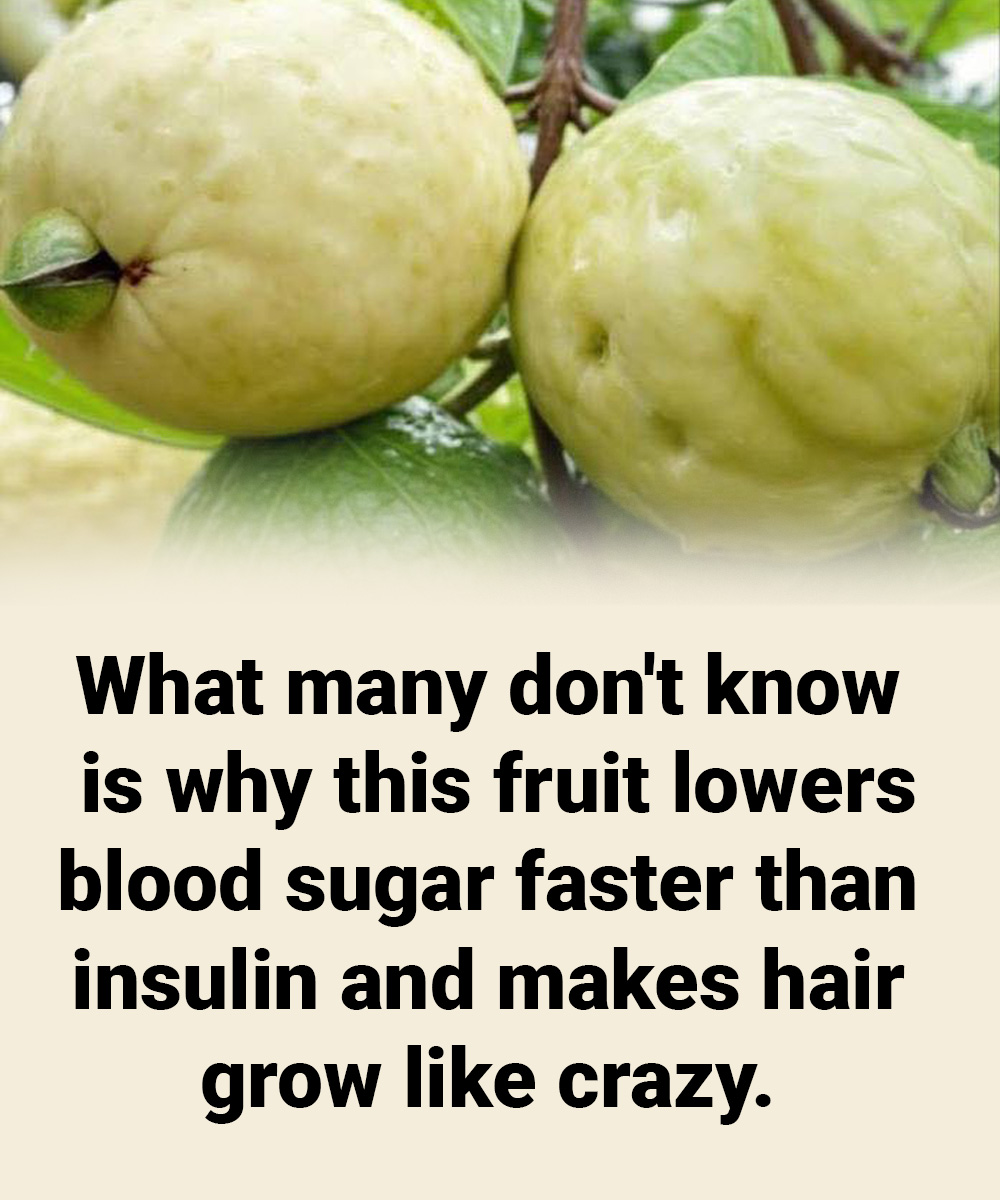
Guava and Blood Sugar: A Sweet Fruit with Surprising Benefits
Guava isn’t just a delicious tropical fruit — it may also support healthy blood sugar management, making it a smart choice for people living with diabetes or those seeking to prevent it.
Here’s how guava can play a role:
🍏 1. Low Glycemic Index (GI)
Guava has a low glycemic index, meaning it causes a slower rise in blood sugar compared to many other fruits. This makes it a helpful option for those monitoring glucose levels.
🌿 2. High in Fiber
Packed with soluble fiber, guava helps:
Slow down sugar absorption
Improve digestion
Reduce post-meal blood sugar spikes
Fiber also promotes satiety, supporting weight management — an important factor in blood sugar control.
🍊 3. Rich in Antioxidants & Nutrients
Guava is a powerhouse of:
Vitamin C — boosts immunity and reduces oxidative stress
Potassium — supports heart health and blood pressure
Flavonoids (like quercetin) — may improve insulin sensitivity and reduce inflammation
These compounds contribute to overall metabolic health.
🍵 4. Guava Leaves: A Traditional Ally
Beyond the fruit, guava leaves have long been used in herbal medicine. Research suggests guava leaf tea may:
Lower post-meal blood glucose
Inhibit enzymes that turn carbs into glucose
Improve insulin function
✅ How to Use Guava for Blood Sugar Support
Eat the fruit raw (skin included, if pesticide-free)
Brew guava leaf tea (boil dried leaves in water for ~10 minutes)
Avoid canned or sugary guava juices
Stick to moderate portions — even healthy fruits contain natural sugars
⚠️ A Note of Caution
Guava can support blood sugar management, but it is not a substitute for prescribed medication or medical care. Always consult a healthcare provider before making dietary changes or using herbal remedies like guava leaf tea.
🌱 Final Thought
Sweet, refreshing, and nutrient-packed, guava is proof that managing blood sugar doesn’t have to mean giving up on flavor. With balance and moderation, this humble fruit can be a nourishing ally on the journey to better health.